

 EN
EN
 English
 Español
 عربى
عربىProduct Consultation
Your email address will not be published. Required fields are marked *
Content
A sofa handle is a functional fitting attached to a sofa or couch that allows the user to operate a mechanical function — most commonly reclining, pulling out a sofa bed, adjusting a headrest, or releasing a footrest. It sounds like a minor component, but in practice the handle is one of the most frequently used parts of any mechanically operated sofa. On a recliner that gets used daily, the handle may be pulled or pushed hundreds of times a year, which means wear, breakage, and eventual replacement are predictable outcomes rather than exceptional ones.
Beyond function, the sofa handle contributes to the overall aesthetic of the piece. A chrome bar handle on a contemporary leather recliner reads very differently from a fabric loop on a fabric sofa bed. When handles break, discolour, or simply look dated after reupholstering, replacing them is one of the most cost-effective ways to refresh a sofa's appearance without replacing the entire piece. Understanding the different types, materials, and fitting methods available makes the difference between a straightforward upgrade and an expensive mistake.
Sofa handles are not a single product — they span several distinct functional categories, each designed for a specific mechanism. Using the wrong type is not just an aesthetic problem; it can damage the mechanism or fail under load. Here is a breakdown of the main types:
These are the most commonly replaced sofa handles on the market. A recliner release handle connects to a cable mechanism inside the sofa arm. Pulling the handle draws the cable, which releases a latch and allows the footrest to extend or the backrest to recline. They are almost always positioned on the outside of the sofa arm, near the front, for easy reach from a seated position. Most recliner handles attach via a bolt or clip through the arm fabric or panel, with the cable end looping around a pin or hooking into a slot on the handle body.
Sofa bed handles are designed for grip and leverage rather than cable operation. They are typically bar or strap style, positioned on the front face or underside of the seat cushion frame, and used to pull the bed mechanism forward and unfold it. Because they bear significant pulling force — often with the full weight of the mattress and frame in play — sofa bed pull handles need to be robustly constructed and firmly anchored. Failure at the fixing point rather than the handle body itself is the most common failure mode.
Found on higher-specification recliners and cinema-style sofas, headrest handles are smaller levers or pull tabs positioned at the top of the backrest. They operate a separate ratchet or cable mechanism that allows the headrest angle to be adjusted independently of the main recline function. These handles are often colour-matched to the sofa upholstery and can be easy to overlook when they fail, since the headrest may simply feel stiffer rather than completely non-functional.
Some modular or sectional sofas use recessed handles or grip points built into the side panels to allow individual sections to be lifted and repositioned. These are less about operating a mechanism and more about providing a safe grip point for moving heavy furniture. They are often flush-mounted to avoid snagging and may be made from moulded plastic or recessed metal rather than the more decorative handle styles seen on recliners.
Storage sofas and ottoman-base sofas use handles to lift the seat platform and access the storage space beneath. These handles are typically mounted on the front face of the seat frame and need to be strong enough to lift the combined weight of the seat cushions and platform. Rope, leather strap, and bar handle styles are all common in this category.
The material of a sofa handle affects its durability, appearance, maintenance requirements, and suitability for different sofa styles. The following table covers the main options:
| Material | Durability | Best suited to | Watch out for |
| Chrome / brushed steel | Very high | Leather recliners, contemporary sofas | Cold to touch; shows fingerprints |
| Plastic (ABS / nylon) | Medium | Budget recliners, fabric sofas | Brittle over time; UV yellowing |
| Leather strap | High (genuine); Medium (PU) | Fabric and leather sofas, sofa beds | PU leather peels; stitching wears |
| Rope or woven fabric | Medium | Casual fabric sofas, sofa beds | Fraying; difficult to clean |
| Die-cast zinc alloy | Very high | Premium recliners, commercial use | Heavier; higher cost |
| Wooden bar | High | Scandinavian, mid-century, natural styles | Can crack in dry conditions |
For recliner cable handles specifically, the material of the handle body matters less than the quality of the cable attachment point and the pin or hook that connects it to the mechanism. A beautifully finished chrome handle with a cheap plastic cable loop will fail at the loop long before the chrome shows any wear. When buying replacement recliner handles, check that the cable attachment is metal — not plastic — regardless of what the visible handle is made from.
Getting the right replacement couch handle requires more than identifying the visual style. Several dimensions and connection specifications need to match the original for a correct fit. Here is what to measure and check before ordering:
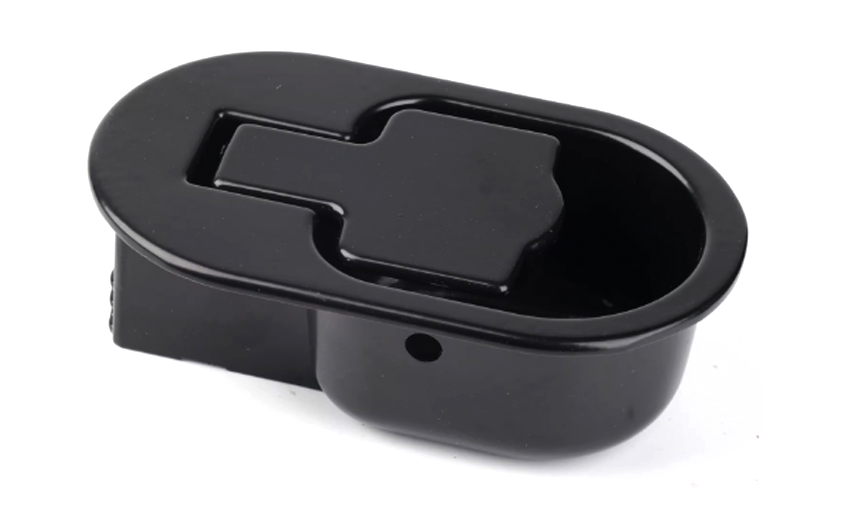
Replacing a broken recliner handle is one of the more accessible sofa repairs a non-specialist can carry out at home, provided you have the correct replacement part. The process typically takes 15 to 30 minutes and requires only basic tools. Here is a general procedure that applies to most cable-operated recliner handles:
Understanding why sofa handles fail helps with both purchasing decisions and maintenance. Most failures fall into a small number of categories:
The most common failure in recliner handles is the cable snapping rather than the handle body breaking. Cables fatigue over thousands of cycles, particularly at the point where they bend sharply around a guide or enter a conduit. Low-quality cables use thin wire that fatigues quickly; better-quality replacements use braided stainless steel cable with a larger cross-section and more flexible routing. If your cable snaps repeatedly, the routing may be forcing a bend radius the cable cannot sustain — inspect the conduit and guide points for sharp edges.
Plastic handle bodies — particularly ABS and low-grade nylon — become brittle with age, especially in rooms with significant temperature variation or UV exposure from windows. A handle that cracks on first use after years of service is almost always a material failure from age rather than a manufacturing defect. Replacing with a metal-bodied handle in the same fixing configuration eliminates this recurring problem.
If a recliner handle that previously operated smoothly becomes progressively harder to pull, the issue is usually in the mechanism rather than the handle. Cable conduit can kink, the mechanism pivot can corrode or seize, or the recliner springs can become over-tensioned. Lubricating the cable conduit with silicone spray and the mechanism pivot points with a light machine oil will resolve most cases of increasing resistance. Replacing the handle alone will not fix a stiff mechanism.
Bar and bracket handles on sofa beds and storage sofas occasionally pull free from their mounting because the fixing bolts work loose over time, or because the substrate — usually a timber frame member — has cracked. Re-fixing with slightly larger bolts and backing washers resolves the loose fastener issue. If the frame is cracked, the fixing point needs to be rebuilt before a new handle will hold reliably.
Sourcing the right replacement couch handle depends largely on whether your sofa is from a major manufacturer with accessible spares support, or a lesser-known brand where the original part may no longer be available.
A handle replacement does not have to be a like-for-like swap. Many people take the opportunity of a broken handle to upgrade the material or style — particularly when reupholstering or otherwise refreshing an older sofa. A few practical upgrade options worth considering:
Your email address will not be published. Required fields are marked *
A Home Office Foldable Laptop Notebook Computer Tr...
See Details
One of the key features of this monitor arm is its...
See Details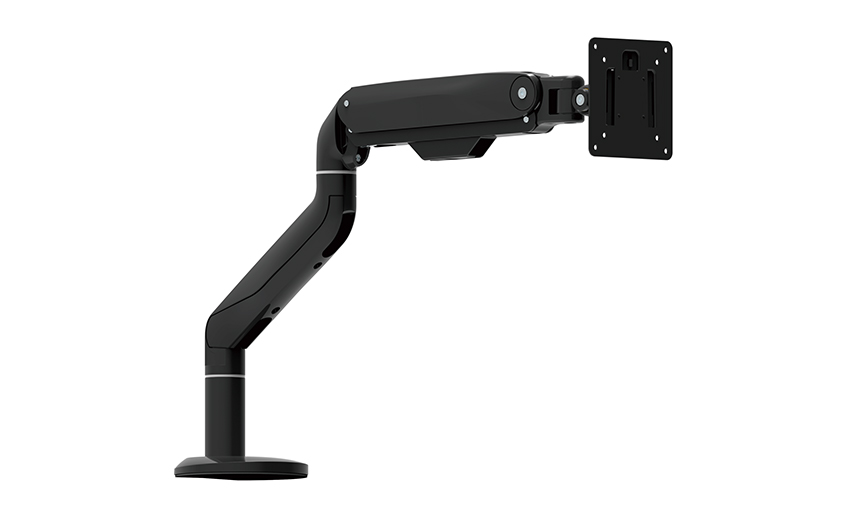
Revolutionize your work setup with the Aluminum &a...
See Details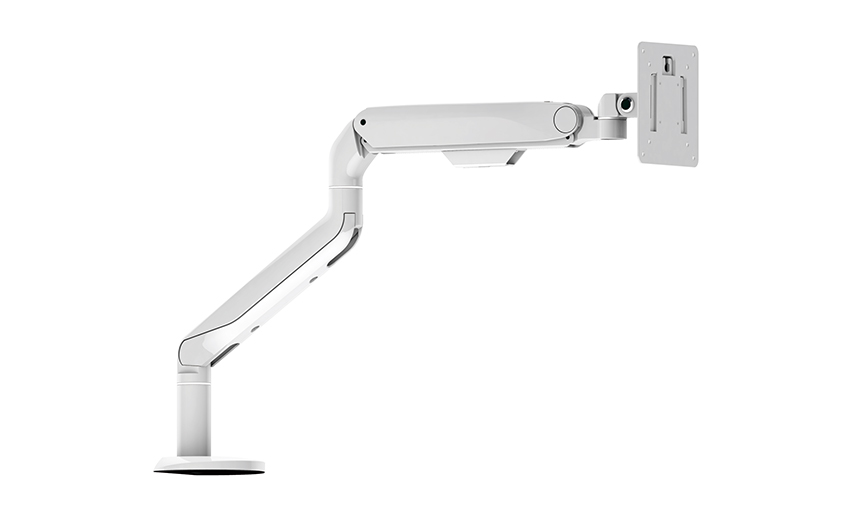
This sleek and sturdy arm is designed to securely ...
See Details
Address: No 3098 Shuanglong Rd, Daqiao Town 314006, Nanhu Area,Jiaxing city, Zhejiang Pro, China
Tel: +86-0573-83222192
Fax: +86-0573-83225688
URL: www.jxjmly.com
Email: [email protected]
Copyright © JIAXING JINMAO ALUMINUM INDUSTRY CO., LTD.All Rights Reserved. Monitor Arms Desk Mount Manufacturers Wholesale Monitor Brackets Suppliers
