

 EN
EN
 English
 Español
 عربى
عربىProduct Consultation
Your email address will not be published. Required fields are marked *
Content
An adjustable sofa hinge is a mechanical fitting that connects two structural sections of a sofa — most commonly the backrest to the seat frame, or the armrest to the body — and allows the angle between those sections to be changed and locked at different positions. Unlike a fixed hinge that simply pivots on a single axis, an adjustable sofa hinge incorporates a tensioning or locking mechanism that lets the user set the backrest or headrest at a chosen recline angle without the piece shifting during use.
These hinges are the mechanical heart of any sofa with a reclining back, a convertible sleeping position, or a folding headrest. Without them, the back of the sofa would either be permanently upright or would flop freely with no intermediate stops. A well-designed adjustable hinge for sofas holds its position firmly under bodyweight, operates smoothly with one hand, and maintains consistent resistance over years of repeated use.
You'll find sofa back hinges in a wide range of furniture styles — from modular sectional sofas with individually adjustable back panels to sleeper sofas that fold flat, recliner loveseats, office waiting room benches, and compact sofa beds in studio apartments. The hinge type, load rating, and adjustment range vary significantly between these applications, which is why understanding what you're working with matters before you buy or replace one.
Not all adjustable couch hinges operate the same way. The mechanism inside the hinge determines how the angle is set, how many positions are available, and how much force is needed to move or lock the backrest. Choosing the wrong type for your sofa frame or your daily usage pattern leads to poor performance, premature wear, or a back panel that refuses to stay where you put it.
Ratchet-type adjustable sofa hinges are the most common variety found in mid-range sofas and sectionals. They work using a toothed plate and a spring-loaded pawl that clicks into recesses at fixed intervals — typically every 10 to 15 degrees of arc. To move the backrest, the user pushes it forward past the current lock point and either releases it into the next position or pulls a release lever to swing it freely. These hinges are robust, inexpensive, and easy to replace, but they only offer a limited number of preset angles rather than infinitely adjustable positioning.
Friction-based sofa back hinges hold the backrest in position through calibrated resistance between two metal plates tightened against each other — similar in principle to a laptop screen hinge. The backrest can be set at any angle within its range and will stay exactly where it's placed because the friction between the plates is greater than the rotational force applied by the user's weight. These hinges feel smoother to operate than ratchet types and offer truly stepless adjustment, but their holding force diminishes over time as the friction surfaces wear, eventually requiring tightening or replacement.
Cam-lock hinges use an eccentric cam that rotates to bind the hinge plates together when the back is set at the desired angle. Some designs require the user to pull the backrest slightly upward to disengage the cam before repositioning — a familiar mechanism on many sofa beds and futon frames. These hinges tend to be bulkier than friction or ratchet types but handle higher loads well, making them a common choice for heavy-duty sofa beds and commercial-grade hospitality furniture.
Higher-end reclinable sofas sometimes incorporate a gas strut (similar to those used on car hoods or office chairs) alongside a pivot hinge to counterbalance the weight of the backrest and make adjustment nearly effortless. The strut provides progressive resistance rather than a hard lock, so these systems typically rely on a secondary latch or click-stop mechanism to hold the position. Gas strut sofa hinges are more expensive, more complex to replace, and require matching the strut force rating precisely to the weight of the backrest panel when sourcing a replacement.
Sofa bed hinges are a specialized category of adjustable sofa hinge designed to handle the full rotation from upright seating position through to completely flat sleeping position — typically a 90-to-180-degree range. These hinges must withstand alternating load cycles in both the seated and flat-lying positions, making material strength and pivot diameter more critical than in standard reclinable sofa hinges. Many sofa bed hinge designs also incorporate a stop point at the seat-level transition angle to create a stable half-fold position for lounging.
Buying a replacement adjustable hinge for sofa without checking specifications is one of the most common DIY mistakes in furniture repair. A hinge that looks almost right may have a different hole spacing, a different load rating, or a different range of motion — any of which can make it unusable on your specific sofa. The following table covers the measurements and specifications you need to confirm before placing an order.
| Specification | Why It Matters | How to Measure |
| Mounting hole pattern | Determines if the hinge bolts to existing frame holes | Measure center-to-center distance between all bolt holes on each wing |
| Load capacity (kg) | Must exceed the weight of the backrest plus applied user load | Check original hinge label or manufacturer spec; estimate backrest weight |
| Adjustment range (degrees) | Determines minimum and maximum recline angle of the backrest | Use a protractor or angle-finder app on the existing hinge at both stops |
| Wing width and length (mm) | Affects how the hinge sits within the sofa frame channel or bracket | Measure the flat plate on each side of the pivot point separately |
| Pivot diameter (mm) | Heavier-gauge pivots resist bending under off-center loads | Use calipers to measure the barrel or pin at the center of the hinge |
| Material and finish | Steel is standard; zinc alloy is lighter but less durable under high loads | Check product listing or use a magnet (steel is magnetic; zinc alloy is not) |
| Number of adjustment positions | Relevant for ratchet hinges — affects how granular the angle control is | Count the teeth on the existing ratchet plate or note positions in the product spec |
If you can remove the old hinge, take it with you to a hardware supplier or photograph it next to a ruler before ordering online. Many adjustable sofa hinge suppliers offer interchange guides that cross-reference common OEM hinge part numbers to aftermarket replacements.
Getting the measurements right is the single most important step in a successful sofa hinge replacement. A few minutes with a tape measure and calipers before ordering will save you the frustration of receiving a hinge that doesn't fit. Here's how to work through the measurement process systematically.
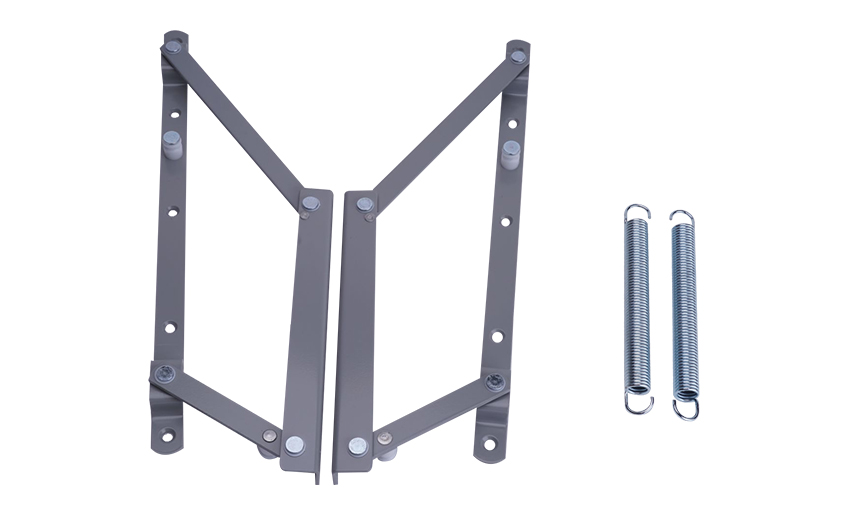
Replacing a worn or broken adjustable hinge on a sofa is well within the reach of most DIYers. The tools required are minimal and the process typically takes 30 to 60 minutes per hinge depending on how accessible the mounting hardware is. The following steps apply to the most common screw- or bolt-mounted ratchet and friction hinge designs.
Start by removing the sofa's back cushions and any upholstery dust cover stapled to the underside of the seat frame — this is usually a thin black or brown fabric that gives access to the frame and hinge hardware. Tilt the backrest forward to its most collapsed position to reduce tension on the hinge. Remove all screws or bolts from the seat-side wing first, then from the back-side wing. If the hinge is secured with bolts passing through the frame with nuts on the reverse side, you may need a second person to hold the nut while you turn the bolt. Once unfastened, the hinge should lift away cleanly from both mounting surfaces.
Before fitting the replacement adjustable sofa hinge, inspect the mounting area carefully. Look for stripped screw holes, cracked timber, or bent metal brackets. Stripped wood screw holes can be repaired by filling with a wooden toothpick and wood glue, allowing it to dry fully before re-drilling. If the existing holes in the frame don't perfectly match the new hinge's hole pattern and the hinge has slotted holes, you have some room to shift the hinge position slightly. If holes need to be drilled in new positions, mark and pre-drill pilot holes to avoid splitting the timber.
Position the new hinge on the seat frame first, aligning the wing holes with the mounting points. Insert all fasteners by hand before tightening any of them — this allows minor adjustment of the hinge position. Once aligned, tighten the seat-side fasteners fully. Reattach the backrest, aligning the back-side wing of the hinge with the mounting points on the backrest rail. Insert and tighten those fasteners. Test the full range of motion — work the backrest through every adjustment position slowly, checking that it locks firmly at each stop and releases cleanly. Apply a small amount of lubricant to the pivot point and any moving parts of the locking mechanism before replacing the dust cover and cushions.
Not every sofa hinge problem requires a full replacement. Many of the most frequent issues with reclining sofa hinges can be resolved with simple adjustments, cleaning, or lubrication. Understanding what's actually wrong before ordering parts saves both time and money.
If the sofa back slides or creeps out of the set angle under normal use, the most likely cause is either a worn ratchet mechanism or a friction hinge that has lost its clamping force. For ratchet hinges, check whether the spring-loaded pawl is still engaging the teeth cleanly — a bent or fatigued spring is often the culprit and can sometimes be replaced without replacing the entire hinge. For friction hinges, look for an adjustment screw or tensioning bolt at the pivot point; tightening it slightly often restores holding force. If neither solution works, the hinge mechanism has worn beyond adjustment and replacement is the correct next step.
Stiffness and grinding sounds in a sofa adjustable hinge are almost always caused by friction between metal surfaces that have lost their lubrication or have accumulated dust and debris. Remove the backrest, clean the pivot area and any exposed teeth or plates with a dry brush, then apply a thin coat of white lithium grease or a dry PTFE lubricant spray. Avoid using oil-based lubricants like WD-40 as a long-term fix — they attract dust and can gum up ratchet mechanisms over time. If the hinge is still stiff after cleaning and lubrication, check whether any of the fasteners are overtightened and binding the wing plates together.
Occasional clicking when moving the backrest through its positions is normal for ratchet-type adjustable sofa hinges — it's the sound of the pawl engaging the teeth. However, if a loud pop or creak occurs when sitting back against the sofa rather than during intentional adjustment, the problem is more likely loose fasteners allowing the hinge plates to shift slightly under load. Tighten all mounting screws and bolts on both wings, checking from underneath the frame where accessible. Adding a locking thread compound (such as Loctite medium strength) to the fastener threads helps prevent them from working loose again.
Most sofas with reclining backs use two adjustable hinges — one on each side of the back panel. If the back tilts unevenly or feels twisted when adjusted, one hinge is likely locked or jammed while the other still moves freely. Check whether the stuck hinge has a release lever that has become bent or disconnected. If the hinge body itself is seized due to corrosion or a fractured component, only the affected hinge needs replacing — though replacing both as a matched pair at the same time is generally advisable to ensure even operation and consistent load sharing.
If you're building a sofa from scratch or upgrading the hardware in a custom furniture project, you have the freedom to choose the hinge type and specification from the outset rather than matching an existing component. The following criteria help narrow down the best adjustable hinge for your sofa design.
Adjustable sofa hinges are mechanical components that benefit from basic preventive maintenance just like any other moving hardware in your home. A few simple habits significantly extend the service life of the hinge and reduce the likelihood of sudden failure.
Adjustable sofa hinges are available from furniture hardware suppliers, online marketplaces, and specialist upholstery parts retailers. Pricing varies considerably depending on the hinge type, load rating, and build quality. The following overview gives a realistic sense of what different quality tiers cost and what you get for the price.
| Hinge Type | Typical Price Range (per pair) | Best For |
| Basic ratchet sofa hinge (zinc alloy) | $5–$15 | Budget sofas, light-duty residential use |
| Standard steel ratchet hinge | $15–$35 | Mid-range sofas, everyday family use |
| Friction / torque hinge (steel) | $20–$50 | Stepless adjustment, premium residential |
| Heavy-duty sofa bed hinge | $30–$70 | Sofa beds, high-load sectionals |
| Gas strut-assisted hinge system | $60–$150+ | High-end reclining sofas, commercial furniture |
When buying online, prioritize sellers who provide exact dimensions in their product listings and offer a returns policy — this protects you if the hinge turns out to be a slightly different size than described. Reputable furniture hardware brands to look for include Sugatsune, Mepla, Häfele, and Accuride for higher-quality sofa hinge fittings, while generic OEM replacements from Chinese manufacturers are widely available on platforms like Alibaba, AliExpress, and Amazon for more budget-conscious repairs.
Your email address will not be published. Required fields are marked *
A Home Office Foldable Laptop Notebook Computer Tr...
See Details
One of the key features of this monitor arm is its...
See Details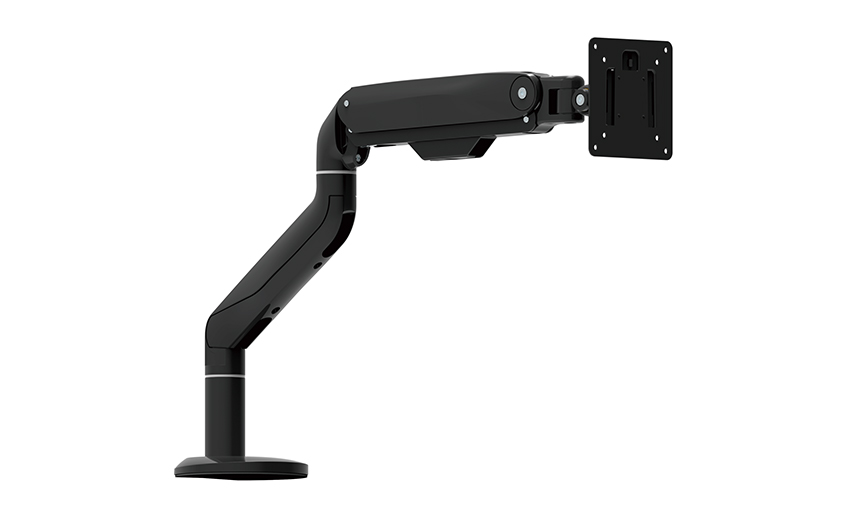
Revolutionize your work setup with the Aluminum &a...
See Details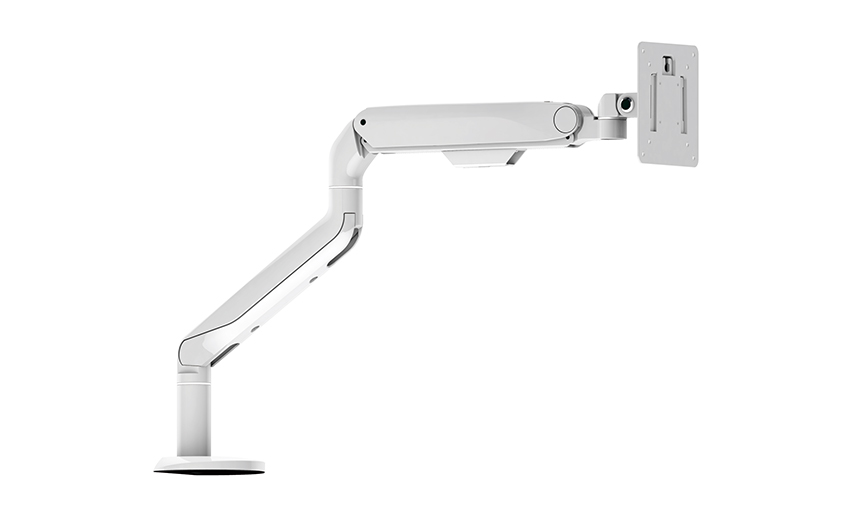
This sleek and sturdy arm is designed to securely ...
See Details
Address: No 3098 Shuanglong Rd, Daqiao Town 314006, Nanhu Area,Jiaxing city, Zhejiang Pro, China
Tel: +86-0573-83222192
Fax: +86-0573-83225688
URL: www.jxjmly.com
Email: [email protected]
Copyright © JIAXING JINMAO ALUMINUM INDUSTRY CO., LTD.All Rights Reserved. Monitor Arms Desk Mount Manufacturers Wholesale Monitor Brackets Suppliers
